
Elevate your marketing game with stunning banner cloth printing! Discover essential tips to create eye-catching designs that captivate any audience.
Choosing the Right Fabric for Your Banner
Selecting the ideal fabric for your cloth banner is the first critical step toward creating a stunning display piece. The fabric choice can significantly influence the overall durability, appearance, and effectiveness of your banner. Generally, the most popular fabrics for banner printing include polyester, vinyl, and canvas. Each of these materials offers unique benefits and can be chosen based on the specific requirements of your project.
Polyester is a favored option due to its lightweight nature and excellent color retention properties. It is particularly suitable for outdoor displays as it resists weather conditions and dries quickly when wet. Additionally, polyester is flexible and easy to handle, making it a versatile choice for various banner sizes and shapes. On the other hand, vinyl is known for its robustness and ability to withstand harsh environmental conditions, making it perfect for long-term outdoor usage.
Canvas, another popular option, provides a classic and sophisticated look that is often favored for indoor settings. It offers a textured surface that can give your banner a unique aesthetic appeal. When choosing the right fabric, consider the location where the banner will be displayed, the duration of the display, and the desired visual effect. Balancing these factors will help you select the most appropriate fabric for your banner needs.
Importance of Color Selection in Banner Printing
Color plays a significant role in the effectiveness of your banner by influencing emotions and attracting attention. Choosing the right color palette can enhance the visibility of your banner and make it more appealing to your target audience. Start by understanding the psychology of colors and how they can impact viewer perception. For instance, red is often associated with excitement and urgency, while blue conveys trust and professionalism.
Consistency with your brand colors is also crucial. Using your brand’s color scheme helps in reinforcing brand identity and making your banner instantly recognizable. However, it’s also important to ensure that the colors you choose are suitable for the environment where the banner will be displayed. Bright and contrasting colors work well in outdoor settings to capture attention, whereas more subdued tones might be better suited for indoor events.
When printing on fabric, it’s essential to consider how colors will appear on the chosen material. Different fabrics can absorb and reflect colors differently, which can affect the final appearance of your banner. Conducting test prints or consulting with your printing service provider can help ensure that the colors turn out as expected. Additionally, using color profiles like CMYK rather than RGB can lead to more accurate color reproduction in print.

Understanding Printing Techniques for Cloth Banners
There are various printing techniques available for cloth banners, each with its own set of advantages and limitations. Understanding these methods can help you choose the best one for your project and achieve the desired outcome. The most common printing techniques include screen printing, dye sublimation, and direct-to-fabric printing.
Screen printing is a traditional method that involves transferring ink onto the fabric through a mesh screen. This technique is well-suited for simple designs with solid colors and is cost-effective for large quantities. However, it may not be the best option for highly detailed or multicolored designs due to its limitations in color blending and fine details.
Dye sublimation is a modern technique that produces vibrant and long-lasting prints. It involves transferring dye onto a special transfer paper, which is then heat-pressed onto the fabric. This process allows for intricate designs and a wide range of colors, making it ideal for high-quality, full-color banners. Additionally, dye sublimation ensures that the print is embedded into the fabric, resulting in a soft and durable finish.
Direct-to-fabric printing, also known as digital printing, involves printing the design directly onto the fabric using specialized inkjet printers. This method offers flexibility in terms of design complexity and color variations. It is perfect for small to medium-sized print runs and allows for quick turnaround times. However, it is essential to ensure that the fabric is compatible with the printer and ink used to achieve the best results.
Tips for Effective Banner Sizing and Layout
The size and layout of your banner are crucial factors that can impact its visibility and effectiveness. The first step is to determine the appropriate size based on the location where the banner will be displayed. Consider the viewing distance and ensure that the banner is large enough to be easily seen and read from that distance. Standard banner sizes can range from small tabletop displays to large building wraps, so choose a size that best suits your needs.
When designing the layout, keep the viewer’s perspective in mind. The most important information should be placed at the top or center of the banner, where it is most likely to be noticed first. Use a clear hierarchy of text and images to guide the viewer’s eye through the design. Ensure that there is enough white space around the elements to prevent the banner from looking cluttered and overwhelming.
Balance is another key aspect of an effective layout. Distribute text and graphics evenly across the banner to create a harmonious and visually appealing design. Avoid placing too much content on one side, as this can make the banner look unbalanced and detract from its overall impact. Additionally, consider the use of borders and margins to frame the content and enhance the banner’s visual appeal.
The Role of Finishing Options in Banner Durability
Finishing options play a significant role in enhancing the durability and functionality of your cloth banner. These options include hemming, grommets, pole pockets, and reinforced corners, among others. Choosing the right finishing options can help extend the lifespan of your banner and make it easier to display.
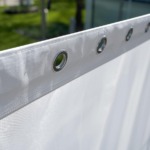
Hemming involves folding and sewing the edges of the banner to prevent fraying and provide a clean, finished look. This is particularly important for outdoor banners exposed to wind and weather conditions. Grommets are metal rings inserted along the edges of the banner to facilitate easy hanging and prevent tearing. They provide sturdy attachment points for ropes or hooks, ensuring that the banner stays securely in place.
Pole pockets are another popular finishing option, especially for banners intended to be displayed on poles or stands. These pockets are sewn along the top and bottom edges of the banner, allowing poles to be inserted for easy mounting. Reinforced corners add extra strength to the banner’s corners, which are often the most vulnerable points. This reinforcement helps prevent tearing and extends the banner’s overall durability.
Common Mistakes to Avoid in Cloth Banner Printing
When it comes to cloth banner printing, there are several common mistakes that can hinder the effectiveness of your banner and reduce its impact. One of the most frequent errors is using low-resolution images and graphics. Blurry or pixelated visuals can make your banner look unprofessional and detract from its overall appeal. Always use high-resolution images and ensure that they are suitable for large-format printing.
Another common mistake is overcrowding the design with too much text or graphics. While it’s important to convey your message, overloading the banner with information can make it difficult to read and understand. Stick to a clear and concise message and use bullet points or short phrases to convey key points. Remember that less is often more when it comes to effective banner design.
Failing to consider the viewing distance is another mistake that can affect the banner’s readability. Ensure that the text size is large enough to be easily read from the intended viewing distance. Small text can be challenging to read from afar and may cause viewers to lose interest. Additionally, avoid using overly complex fonts that can hinder readability, especially for banners displayed in busy or fast-paced environments.
Conclusion and Final Thoughts on Cloth Banner Success
Creating a stunning cloth banner requires careful consideration of various factors, from choosing the right fabric and designing eye-catching graphics to selecting appropriate colors and printing techniques. By following the tips and best practices outlined in this guide, you can create a visually appealing and effective banner that captures attention and conveys your message with impact.
Remember that the success of your cloth banner also depends on proper installation and maintenance. Ensure that your banner is displayed in a high-visibility location and is securely mounted to withstand environmental conditions. Regular cleaning and inspection will help maintain its appearance and durability, ensuring that it continues to serve its purpose effectively.
Avoiding common mistakes such as using low-resolution images, overcrowding the design, and neglecting the viewing distance will further enhance the effectiveness of your banner. By paying attention to these details and taking a thoughtful approach to the design and printing process, you can create a stunning cloth banner that stands out and achieves your marketing goals.